
OCAIT team series: Meet victim ID officer, Laura
Main article content
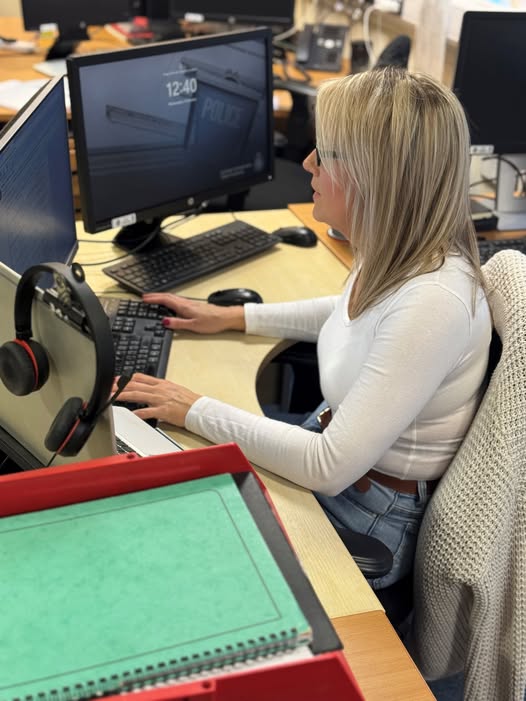
As part of our spotlight series on our Online Child Abuse Investigation Team, we recently caught back up with victim ID officer Laura.
Laura joined OCAIT in 2018 and her primary role is to review indecent images of children and help identify victims.
It is painstaking, distressing work and some of the most important in the investigation process.
Because OCAIT is a small team, Laura’s job doesn’t stop there. She supports enforcement activity, helps families access referrals and support, manages exhibits and oversees the examination of devices that can contain hundreds, sometimes thousands, of images.
No one is immune to the impact of seeing that material. “You have to learn how to separate work from home,” Laura says. “You build resilience, but some things will always stay with you.”
During one investigation, Operation Topmast highlighted more than 300 victims. Laura’s work investigating this even led to international enquiries, liaising with the FBI to safeguard an eight-year-old child in the United States. The offender in that case was later sentenced to 26 years’ imprisonment.
“If we can identify a child, we can stop it happening again,” she explains. “That’s what matters and why we do this job, to help prevent it."
Her advice comes from what she sees every day.
“We know children experiment and this is a digital age. But if you can’t sit face to face with someone, do you really know who you’re talking to? Once an image is shared, it’s out there.
“In sextortion cases, all it can take is one picture and suddenly someone has control. Talk openly, ask for help, and never feel you have to deal with it on your own.”