
OCAIT team series: Meet Field Intelligence Officer, Kierah
Main article content
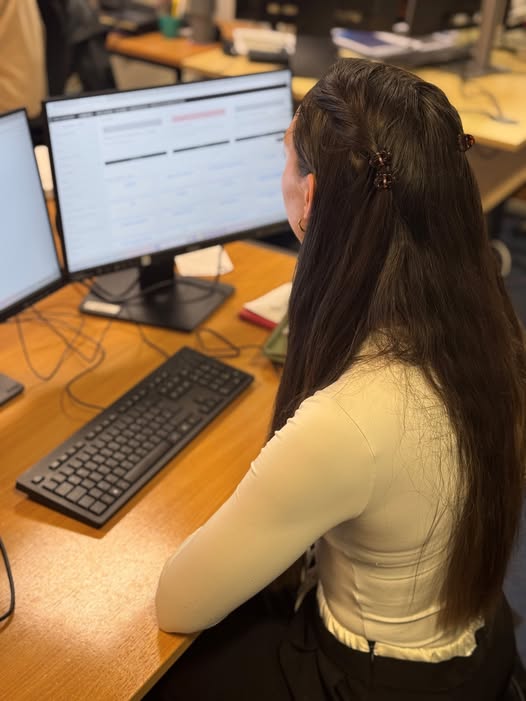
In the last part of our OCAIT series this week, meet Field Intelligence Officer Kierah, who recently joined the team in January, after two years on response in Durham City.
With ambitions to become a detective, she wanted a role where she could follow investigations through and focus on solving problems alongside a team with one clear goal – to protect children.
“The pace is different,” she says. “You can really dedicate your time to building a picture and understanding the risk.”
Kierah works at the start of enquiries, reviewing referrals and using usernames, emails and phone numbers to identify suspects and assess whether they may have access to children.
For Kierah, one of the most striking aspects of the work is how offenders can appear ordinary.
“They hide in plain sight,” she says. “They’re living everyday lives while carrying secrets that put people in danger. Being able to uncover that and prevent harm makes the job feel worthwhile. It gives you real purpose.”
Her interest in this work grew from studying digital forensics as part of her policing degree at university, where her fascination with technology and investigations began.
Kierah’s advice is: “People online can tell you exactly what you want to hear, but you don’t always know who you’re really talking to. Everything leaves a footprint, and once something is shared it can be very hard to take back.
“If you see something that isn’t right be brave enough to speak up.”